
 English
 中文简体
中文简体
How to Choose the Right Dredge Cutting Teeth for a Dredger?
Content
- 1 I. Understanding the Role and Importance of Dredge Cutting Teeth
- 2 II. Selecting Dredge Cutting Teeth Based on Geological Conditions
- 3 III. Focus on the Material and Manufacturing Process of Dredge Cutting Teeth
- 4 IV. Matching the Dredger Model and Cutterhead Structure
- 5 V. Comprehensive Consideration of Cost and Maintenance Cycle
In dredging projects, the operational efficiency and construction cost of a dredger largely depend on the appropriate selection of Dredge Cutting Teeth. Suitable Dredge Cutting Teeth not only improve cutting efficiency but also reduce equipment wear and maintenance frequency. Therefore, scientifically selecting Dredge Cutting Teeth is a crucial step in ensuring project quality and economic benefits.
I. Understanding the Role and Importance of Dredge Cutting Teeth
Dredge Cutting Teeth are the core components of a dredger's cutting system, primarily used for breaking up soil, sand, gravel, and even rock layers. Different types of Dredge Cutting Teeth vary significantly in wear resistance, cutting capacity, and service life. Selecting Dredge Cutting Teeth that match the working conditions can significantly improve dredging efficiency and reduce downtime for replacements.
II. Selecting Dredge Cutting Teeth Based on Geological Conditions
When selecting Dredge Cutting Teeth, the geological conditions of the construction area must be considered first. For example:
Soft soil and silt layers: Ordinary alloy steel Dredge Cutting Teeth can be selected, offering low cutting resistance and relatively low cost;
Sand or gravel layers: High wear-resistant Dredge Cutting Teeth are recommended to cope with highly abrasive environments;
Hard soil or rock layers: Dredge Cutting Teeth inlaid with hard alloy should be selected to ensure cutting ability and service life.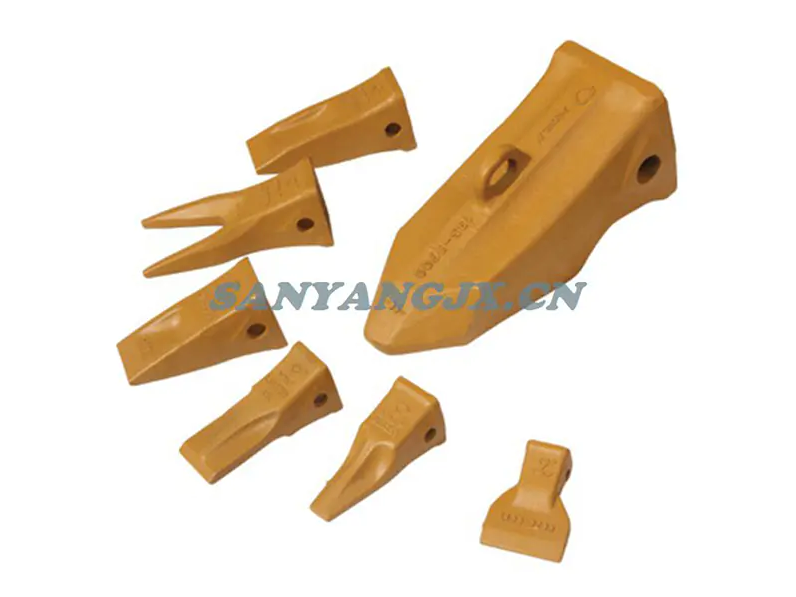
III. Focus on the Material and Manufacturing Process of Dredge Cutting Teeth
High-quality Dredge Cutting Teeth are typically made of high-strength alloy steel or composite wear-resistant materials, manufactured through advanced heat treatment and casting processes. These Dredge Cutting Teeth are less prone to breakage under high loads, have more stable wear resistance, and are suitable for dredgers operating continuously for extended periods.
IV. Matching the Dredger Model and Cutterhead Structure
Different dredger models have different cutterhead structures, speeds, and power. When selecting Dredge Cutting Teeth, ensure that the dimensions and installation method are completely compatible with the cutterhead to avoid incompatibility affecting dredging efficiency or causing equipment damage. Properly matching Dredge Cutting Teeth helps to achieve the best performance of the entire dredger.
V. Comprehensive Consideration of Cost and Maintenance Cycle
In practical engineering, the procurement of dredging cutterheads should not only focus on the unit price, but also on their service life and maintenance costs. While high-quality dredging cutterheads require a higher initial investment, their lower replacement frequency and shorter downtime make them more cost-effective in the long run.
Selecting suitable dredging cutterheads requires comprehensive consideration of geological conditions, material properties, dredger structure, and overall cost. A scientifically and rationally configured dredging cutterhead not only improves dredging efficiency but also effectively reduces operational risks, creating greater economic and engineering value for the dredger.

Copyright 2025 Taizhou Sanyang Heavy Machinery Co., Ltd. All Rights Reserved Professional Dredging Equipment Manufacturer

Back To Top