
 English
 中文简体

Environmental Regulations' Impact on Dredging Equipment Design Explained
Content
- 1 Four Regulatory Levers That Reach the Drawing Board
- 2 Turbidity Caps Reshape the Cutting and Suction End
- 3 Contaminated Sediment Drives Sealing and Closed Transfer
- 4 Overflow, Transit Leakage and Hopper Design
- 5 Noise, Emissions and the Machinery Deck
- 6 Monitoring Duties Become Structural Requirements
- 7 From Regulation to Part: A Quick Reference
- 8 Frequently Asked Questions
When a contractor prices a cutter suction dredger today, the gap between a 2015-era specification and a current one rarely comes from digging power. It shows up in seal classes, spill plates, sensor brackets and material traceability - the details that environmental permits quietly govern.
That is the practical answer to a question we hear from shipyards, dredging authorities and design institutes: environmental regulation now enters the design process at the start, as an input, rather than at the end, as a permit condition. A turbidity threshold changes how much of the cutter plume has to be captured. A contaminant limit decides whether sediment may be disturbed at all, and therefore which tool is the right one. A noise or emission cap reaches down to the machinery deck and rewrites the drive train.
What follows is how those rules become drawing-board decisions, and what to verify before releasing a purchase order for non-standard heavy parts.
Four Regulatory Levers That Reach the Drawing Board
Rules differ by country and by water body, but the ones that actually change hardware fall into four groups.
- Turbidity and suspended sediment limits. Sensitive habitats, intakes and spawning grounds often carry concentration and duration caps, which constrain cutter speed, ladder swing rate, suction mouth clearance and spill plates.
- Sediment contaminant limits. Where sediment carries heavy metals, PCBs, PAHs or PFAS, dredging must be precise and resuspension minimal, pushing designs toward near-closed digging and leak-tight transport.
- Underwater noise and vibration. Spud operations, pump sets and pile driving are regulated in several regions, changing drive type, mountings and acoustic enclosures.
- Emission, discharge and disposal rules. Engine tiers, deck drainage limits, overflow restrictions and dredged-material disposal feed back into machinery selection.
None of these levers lands on the vessel as a whole; they land on individual parts. That is why it pays to know exactly what dredging equipment comprises before the technical specification is written.
Turbidity Caps Reshape the Cutting and Suction End
Where a permit caps suspended solids, the cheapest lever is usually the cutter and the suction mouth. Designers reduce cutter speed, tighten the gap between suction mouth and cut face, add a visor or spill plate, and reshape cutting teeth so the cut produces larger fragments instead of fines.
Electrically, the cutter drive and dredge pump then need real turndown: variable-frequency control that holds a stable low speed under load. Mechanically, the ladder, dredge arm pieces and suction bend must align tightly, because a mouth sitting a few millimetres off the cut face releases more fines than one sitting where the drawing says it should.
The trade-off is production. Running a cutter head below its design speed can cost a double-digit share of output in soft soils, so the permitted plume, the soil type and the required production rate belong in the same paragraph of the specification.
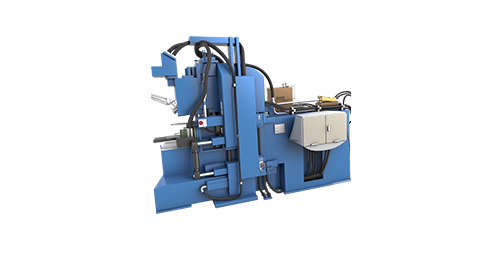
 Cutter Suction Dredger Components for Dredging EquipmentBrowse cutter suction dredger components for mechanical cutting and hydraulic conveying, where containment rules and production trade-offs shape dredge train requirements.View Product →
Contaminated Sediment Drives Sealing and Closed Transfer
Where sediment is contaminated, regulation follows the material rather than the machine: nothing may escape between the seabed and the containment area. That single sentence reaches every joint on the dredge train.
On a trailing suction hopper dredger the critical interfaces are the draghead, the drag pipe, the cardanic joint and the turning gland. On a floating pipeline, the ball joints that let the line follow the swell are also where a worn seal turns into a visible spill. No-visible-leakage clauses convert seal selection and surface finish from workshop preference into contractual obligation.
Practically, that means stating seal grades and mating-surface finishes, holding alignment tolerances in fractions of a millimetre even at large diameters, and asking for a pressure or vacuum test record for every joint. A joint that seals on the bench but weeps after three months of abrasive slurry has not met the requirement; it has postponed the failure.
 Ball Joint Swivel Joint for Dredger Mud Delivery PipesConnects mud delivery and discharge pipes with vertical and horizontal adjustment, quick disconnection, and interchangeable connections where seal integrity matters.View Product →
Overflow, Transit Leakage and Hopper Design
Several jurisdictions restrict or ban overflow discharge while loading, and many require that a loaded hopper does not leak in transit. Both rules are mechanical, not procedural.
They drive hopper door and self-emptying door seat tightness, gate valve repeatability and overflow duct sealing. They also change how the gantry, dredger winch and bow connection are specified, because door actuation has to be reliable at full load and after thousands of cycles, not only at commissioning.
The same logic applies to the swell compensator, which must absorb vessel motion without letting the drag pipe lift off the seabed and stir sediment. A compensator that is too stiff defeats the purpose of a low-turbidity draghead.
 Trailing Suction Hopper Dredger Components for Waterway MaintenanceExplore components for self-propelled trailing suction hopper dredgers that excavate, load, transport, and dump material while supporting accuracy and low-turbidity dredging.View Product →
Noise, Emissions and the Machinery Deck
Emission tiers and underwater noise limits rarely touch the digging tool, but they reach the machinery deck quickly. Where a diesel pump set no longer meets an emission or noise limit, the answer is often an electric or hybrid drive train, resilient mountings and an enclosure that still opens for maintenance.
That decision cascades. Electric drives add weight and cooling demand, move the winches and gantry around, and force a fresh look at cable routing through a hull that vibrates. The same logic - cutting airborne and underwater noise - is a large part of why hydraulic clamping has replaced impact methods on many pile driving projects.
Monitoring Duties Become Structural Requirements
Compliance is measured, not assumed. RTK-GPS positioning, draft and trim monitoring, turbidity or spill sensors at the draghead and cutter, and logged production data are now standard reporting obligations in many permits.
That turns instrumentation into a structural problem. Brackets must survive vibration on a ladder or drag pipe; cabling must run where it is not abraded; sensors need IP-rated housings and a calibration path a technician can reach without dry-docking. Redundancy matters too, because a failed sensor can halt a permitted operation.
The documentation side is just as concrete, because regulators read records, not hulls. A works certified to CCS ISO9001-2015 and approved by bodies such as CCS, BV, ABS and RINA can normally supply material certificates, weld traceability and test reports as a routine package, which shortens the operator's approval cycle.
From Regulation to Part: A Quick Reference
The table maps the drivers we see most often onto the components they actually change.
| Regulatory driver | Design response | Parts most affected | Verify before ordering |
|---|---|---|---|
| Turbidity or suspended solids cap | Lower cutter speed, tighter suction mouth, spill plate or visor | Cutter head, cutter drive assembly, cutting teeth, suction bend with arm pieces | Drive turndown ratio, mouth clearance tolerance, wear allowance |
| Contaminant limits in sediment | Near-closed digging and leak-tight jointing | Draghead, drag pipe, cardanic joint, ball joint, turning gland | Seal grade, surface finish, per-joint test record |
| Overflow ban and transit leakage rules | Sealed hopper doors and controlled discharge | Hopper door, self-emptying door, gate valve, overflow duct, dredger winch | Seat tightness, actuator repeatability, cycle life at full load |
| Underwater noise and emission limits | Resilient mountings, low-speed or electric drives, enclosures | Winches, gantry, pump drive, spud installation | Noise data, mounting stiffness, maintenance access |
| Monitoring and reporting duties | Sensors, data logging and accessible calibration | Ladder and draghead instrument brackets, deck cable routes | IP rating, vibration resistance, cable routing |
Frequently Asked Questions
Does environmental compliance reduce dredging output?
Sometimes, and it is better to plan for it than to discover it. Lower cutter speeds, slower ladder swing and no-overflow loading all cut effective production. Recovery comes from sharper teeth, better soil preparation and tighter machine tolerances, which is why the production target and the permitted plume belong in the same paragraph of a specification.
Do class certificates prove environmental compliance?
No. Class approval confirms design, material and fabrication quality; the environmental obligation sits with the permit holder. Certified fabrication still helps, because it produces the traceable documentation that regulators and clients request after an exceedance.
Can an existing dredger be upgraded instead of replaced?
Often yes. Variable-frequency control on an existing cutter drive, a spill plate, re-sealed hopper doors, new ball joints and added monitoring can move an older vessel closer to current requirements at a fraction of new-build cost - provided the hull and drive train have the margin to carry the change.
If there is one lesson from recent tenders, it is that environmental requirements belong inside the technical specification, not in an annex to it. State the permitted turbidity or spill limit, the soil, the duty cycle and the reporting obligation first, then let tolerances, seal classes, drive turndown and test records follow from them.
That sequence protects the schedule as well. Non-standard heavy parts are machined and certified once, and rework after a failed test costs weeks. Fixing acceptance criteria up front is cheaper than arguing about them after delivery. If you have a set of permit conditions and a duty profile, send them to our engineering team and we will tell you which components they affect.

Copyright 2025 Taizhou Sanyang Heavy Machinery Co., Ltd. All Rights Reserved Professional Dredging Equipment Manufacturer

Back To Top