
 English
 中文简体
中文简体
What Separates a Cutter Suction Dredger From a Trailing Suction Hopper Dredger?
Content
- 1 How a Cutter Suction Dredger Breaks and Moves Material
- 2 How a Trailing Suction Hopper Dredger Operates While Underway
- 3 Side-by-Side Comparison of Working Method and Fit
- 4 Featured Dredger Components From Our Product Range
- 5 Structural and Drivetrain Parts That Affect Uptime
- 6 Matching Equipment to Project Conditions
- 7 Fabrication, Wear Parts, and Sourcing Considerations
- 8 Practical Takeaway
A cutter suction dredger (CSD) is anchored to the seabed by spuds and cuts material with a rotating cutter head before pumping it through a pipeline, making it the better choice for hard, compacted, or rocky ground and for projects that need continuous pipeline discharge. A trailing suction hopper dredger (TSHD) is a self-propelled vessel that drags a suction head across loose or medium-density material while sailing, storing the slurry in an onboard hopper, which makes it the stronger option for large open-water maintenance dredging, capital channel deepening, and land reclamation where mobility matters more than cutting power. The right pick depends on soil type, water depth, distance to the disposal site, and whether the project needs precision excavation or high-volume transport.
How a Cutter Suction Dredger Breaks and Moves Material
Cutter Suction Assembly Engages the Bed
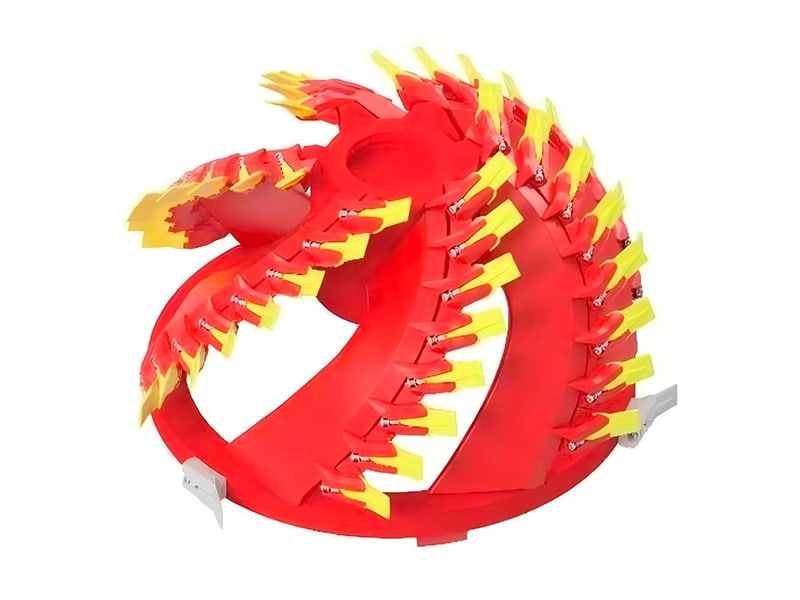
A rotating cutter head fitted with hardened cutter teeth is lowered onto the seabed. The cutter shaft, driven through the cutter suction drive, adjusts speed and torque to match soil hardness, from soft silt to weathered rock.
Ladder and Spud System Hold Position
A spud, spud carrier, and spud holder anchor the vessel while a swing wire and winches move the cutter across the working face in a controlled arc, keeping the cut face even and repeatable.
Slurry Transport Through the Pipeline
A centrifugal pump generates strong negative pressure that pulls the loosened material into the suction pipe. On many hulls the bow coupling and rotary joint keep the discharge line connected as the ladder moves.
Positioning and Discharge Control
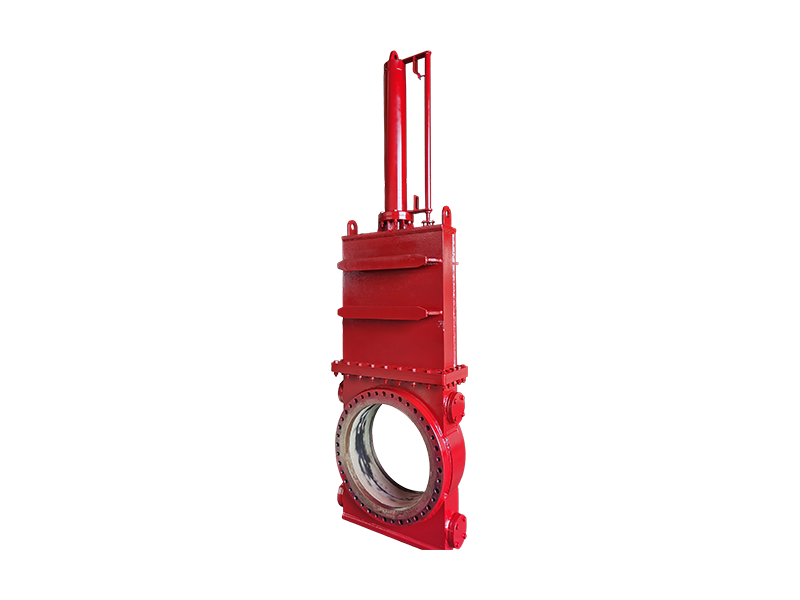
DGPS-guided positioning keeps the cutting plane accurate to within roughly 10 centimeters, while gate valves along the line regulate flow so slurry reaches the reclamation area or barge without pressure spikes.
How a Trailing Suction Hopper Dredger Operates While Underway
A TSHD lowers its drag arm from a gantry on either side of the hull. The drag head at the end of the arm, fitted with drag teeth, loosens the bottom with water jets while the vessel sails slowly forward, so excavation and transport happen at the same time. A centrifugal pump draws the mixture of water and sediment up through the drag pipe and into the hopper, and an automatic draft control system adjusts suction depth on the move, holding dredging accuracy at the centimeter level even in variable seabed conditions. Once the hopper is full, the vessel sails independently to the disposal ground and empties through bottom doors, a self-emptying door arrangement, or bow discharge, then returns for another load without needing a support fleet.
Working depth for a typical trailing suction hopper dredger can reach around 50 meters, which is one reason TSHDs are favored for capital channel projects and coastal maintenance work that a stationary cutter suction dredger cannot economically reach.
Side-by-Side Comparison of Working Method and Fit
| Comparison Point | Cutter Suction Dredger | Trailing Suction Hopper Dredger |
|---|---|---|
| Mobility | Fixed on spuds, moves in a swing arc | Fully self-propelled, sails while dredging |
| Best soil type | Silt to hard, compacted, or rocky ground | Loose silt, sand, and medium-density soil |
| Material discharge | Continuous pipeline transport | Hopper storage, then sail to dump or reclamation site |
| Typical project type | Reclamation, port basin excavation, hard-ground channels | Open-water maintenance, capital dredging, long-distance disposal |
| Water depth range | Generally shallower, ladder-limited | Up to roughly 50 meters |
| Operating cost profile | Lower unit cost on hard or compacted material | Lower cost per cubic meter over long transport distances |
Featured Dredger Components From Our Product Range
Both dredger types depend on a set of high-wear structural and hydraulic parts. Below are core components a dredger equipment supplier typically stocks for fleet maintenance and refit programs.
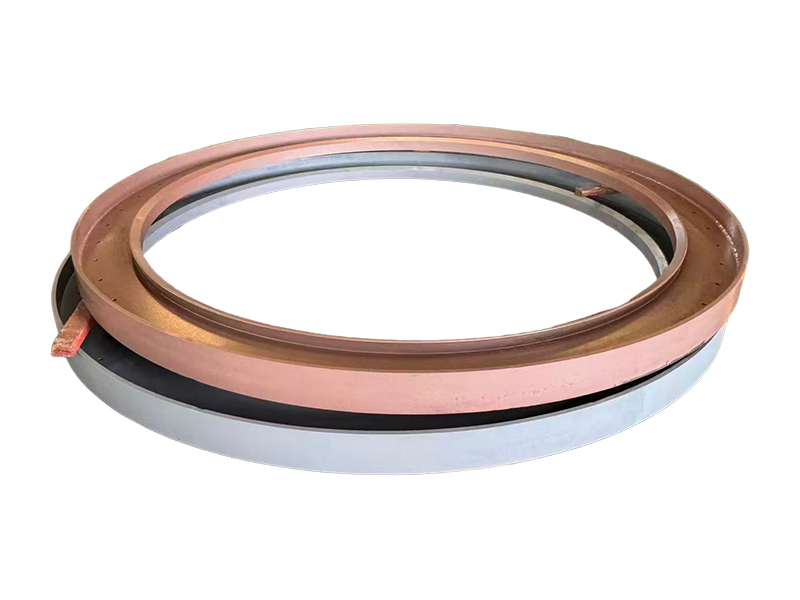
Core Dredge Spare Parts Catalog
Cutter, valve, wear, and structural components sourced for both cutter suction and trailing suction hopper dredger fleets.
Structural and Drivetrain Parts That Affect Uptime
- Cutter head and cutter teeth — the first contact point with the seabed; tooth material and cutter head geometry decide how fast a CSD advances through hard or rocky layers.
- Cutter shaft and cutter suction drive — transmits torque from the drive motor to the cutter head; shaft alignment tolerance directly affects vibration and bearing life.
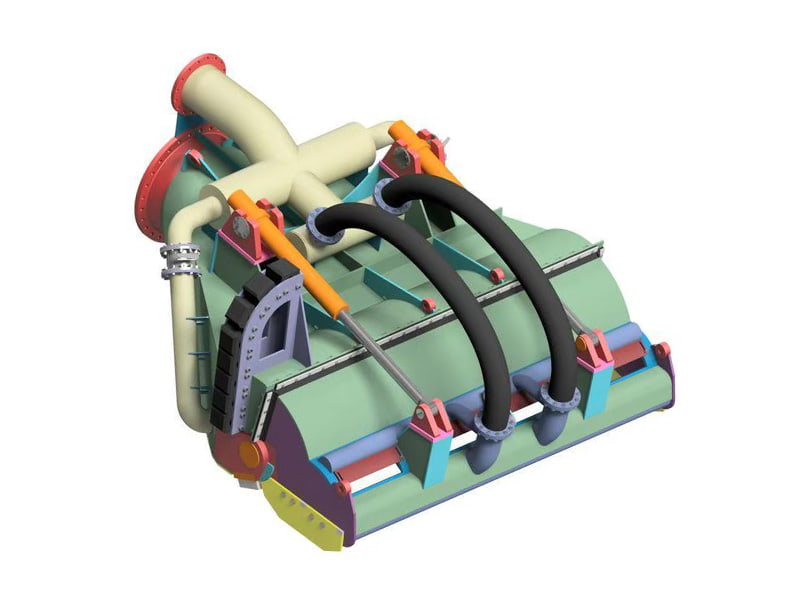
- Drag arm, drag head, and drag teeth — on a TSHD, arm geometry and drag head suction width control how much material is lifted per pass and how well the head follows an uneven bottom.
- Hopper door and bottom door — release stored material at the disposal ground; door seal condition determines how tightly a load is retained en route.
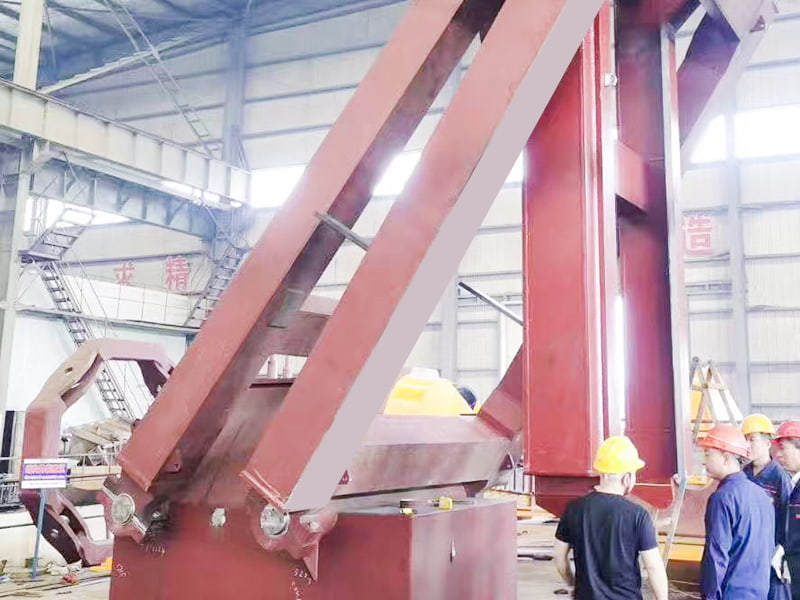
- Gantry — supports and raises the drag arm assembly, and its load rating limits maximum drag arm size and dredging depth.
- Overflow and overflow pipe — let excess water escape once the hopper nears capacity, keeping the load density high without spilling solids overboard.
- Bow coupling and rotary joint — keep discharge piping connected while the ladder or drag arm changes angle during operation.
- Ball joints — absorb angular movement in floating and submerged pipeline sections, reducing stress on rigid pipe runs.
- Spud, spud carrier, and spud holder — anchor a cutter suction dredger during the swing cycle and transfer excavation reaction forces into the hull.
- Propulsion system, propeller, and propeller shaft — give a TSHD independent transit speed between the dredging site and the disposal ground.
- Rudder system, rudder shaft, and steering rudder — maintain course accuracy while trailing under load, particularly in current or crosswind conditions.
- Stern shaft — connects the propulsion drivetrain to the propeller through the stern tube seal, a common source of downtime if worn.
Matching Equipment to Project Conditions
| Project Condition | Recommended Equipment | Reason |
|---|---|---|
| Rocky or compacted harbor basin | Cutter Suction Dredger | Mechanical cutting handles dense material a trailing head cannot loosen efficiently |
| Long coastal shipping channel maintenance | Trailing Suction Hopper Dredger | Self-propulsion covers long stretches without repositioning support vessels |
| Confined port or river with pipeline discharge available | Cutter Suction Dredger | Continuous pipeline transport avoids repeated hopper sailing trips |
| Open-water reclamation with distant disposal site | Trailing Suction Hopper Dredger | Hopper storage plus independent transit lowers cost per cubic meter over distance |
| Deep-water capital dredging beyond ladder reach | Trailing Suction Hopper Dredger | Drag arm and gantry configuration reach depths a fixed ladder cannot match |
Fabrication, Wear Parts, and Sourcing Considerations
Cutter teeth, drag teeth, wear rings, and hopper door seals are consumable items that see the highest replacement frequency on both dredger types, so lead time from a dredge spare parts manufacturer often decides whether a fleet stays on schedule. Structural components such as the drag pipe, arm pieces, and gantry frames are typically formed using a cold bending machine to keep wall thickness consistent through curved sections, which reduces stress concentration at welds. Larger refit work, including cutter shaft replacement or aft installation platform fitting for pump and gearbox access, is usually planned during scheduled dry-docking rather than as emergency repair, since both cutter suction and trailing suction hopper dredgers lose the most operating days to unplanned wear-part failure rather than to major equipment breakdown.
Practical Takeaway
Choosing between a cutter suction dredger and a trailing suction hopper dredger comes down to three questions: how hard is the material, how far does it need to travel, and how much independent mobility the project requires. Confined, hard-ground work favors a cutter suction dredger connected to a discharge pipeline, while open-water, long-distance, or deep-water work favors a trailing suction hopper dredger's self-propelled hopper cycle. Matching the machine to these conditions, and keeping wear parts like cutter teeth, drag teeth, gate valves, and ball joints on a planned replacement schedule, is what keeps either type of equipment productive over a full dredging season.

Copyright 2025 Taizhou Sanyang Heavy Machinery Co., Ltd. All Rights Reserved Professional Dredging Equipment Manufacturer

Back To Top