
 English
 中文简体
中文简体
What type of cutting teeth should I use for different soil conditions?
Content
- 1 Quick Reference: Cutting Teeth by Soil Type
- 2 Why Soil Classification Comes First
- 3 Tooth Profiles and What They Are Built For
- 4 Cutter Head and Wear Component Range
- 5 Matching Teeth to Cutter Head Power and Torque
- 6 Wear Life, Inspection, and Replacement Planning
- 7 Installation and Maintenance Practices
- 8 Working With a Dredge Spare Parts Supplier
For loose silt and soft clay, use long-pitch chisel-point teeth; for compact sand and gravel, use pick-style conical teeth with tungsten carbide tips; for weathered rock and coral, use short heavy-duty rock teeth with a reinforced alloy core. Matching the tooth profile to the ground hardness is the single biggest factor in cutter head wear life and dredging output, and getting it wrong can cut tooth life by more than half.
Quick Reference: Cutting Teeth by Soil Type
Before going into the details, here is a practical lookup table that most dredging crews can use directly on site. It is based on field data collected from cutter suction dredger operations across river mouth, port maintenance, and reclamation projects.
| Soil Condition | Recommended Tooth Type | Typical Hardness | Average Tooth Life |
| Soft silt, mud, loose sediment | Long chisel-point tooth | Below 20 blows/30cm (SPT) | 350 to 500 operating hours |
| Medium sand, sandy clay | Medium pick tooth, carbide tip | 20 to 40 blows/30cm | 200 to 300 operating hours |
| Dense gravel, compacted clay | Reinforced conical pick tooth | 40 to 60 blows/30cm | 120 to 180 operating hours |
| Weathered rock, coral, cemented layers | Short heavy rock tooth, forged alloy body | Above 60 blows/30cm | 60 to 100 operating hours |
Why Soil Classification Comes First
Every cutter suction dredger works on the same basic principle: an auger-style cutter head rotates against the seabed while a centrifugal pump draws the loosened material into the suction pipe. The load on the teeth changes drastically depending on what the cutter head is biting into. Soft silt offers almost no resistance, so a long, slender tooth can penetrate quickly without excessive torque. Weathered rock, by contrast, generates repeated impact loading, and a slender tooth in that setting will chip or snap within a few dozen hours.
On a project such as a river mouth channel regulation job, the geology can shift from soft mud to hard clay lenses within the same cutting swing. Crews that carry only one tooth type often see uneven wear across the cutter head, with some teeth worn flat while adjacent teeth are barely touched. Classifying the soil in advance, using boring logs or standard penetration test data, allows the right tooth profile to be selected before the cutter head even goes into the water.
Tooth Profiles and What They Are Built For
Cutting teeth for a dredge cutter head are generally grouped into three working families, and each one is built around a different balance of penetration speed versus impact resistance.
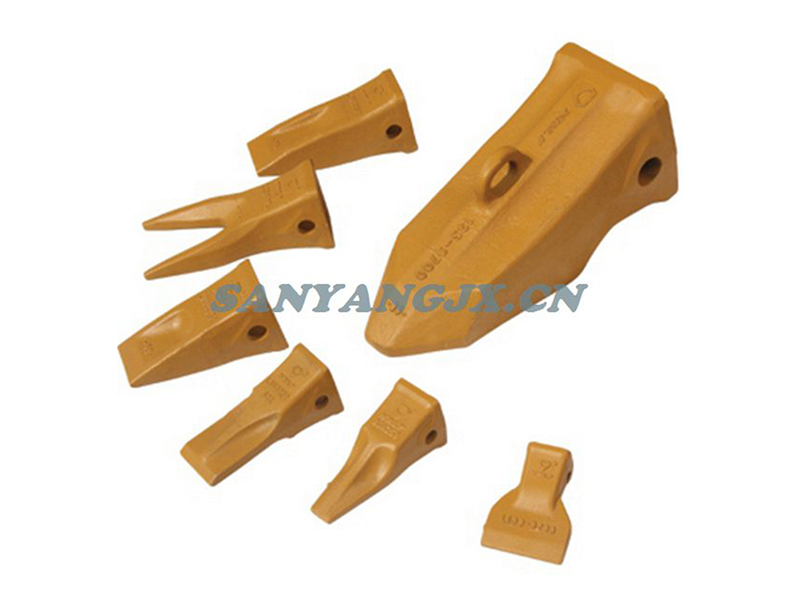
- Chisel-point teeth have a flat, wide cutting edge and a long body. They shear through soft material with minimal resistance and are the standard choice for silt, mud, and loose sediment. Their long profile also helps clear material away from the cutter head as it rotates.
- Pick-style conical teeth have a rounded, pointed tip, usually finished with a tungsten carbide insert. This shape concentrates force onto a smaller contact area, which is effective for sand, sandy clay, and lightly compacted gravel where a flat edge would simply push material rather than cut it.
- Heavy rock teeth are shorter and thicker, with a forged alloy steel body designed to absorb repeated impact rather than shear cleanly. These are used for weathered rock, coral reef material, and cemented soil layers, where the priority shifts from cutting speed to structural survival.
Material selection matters as much as shape. High-manganese steel is common for tooth bodies because it work-hardens under impact, meaning the surface actually becomes harder the more it is struck. Tungsten carbide tips are added where abrasive wear, rather than impact, is the dominant failure mode, such as in fine sand with a high quartz content.
Cutter Head and Wear Component Range
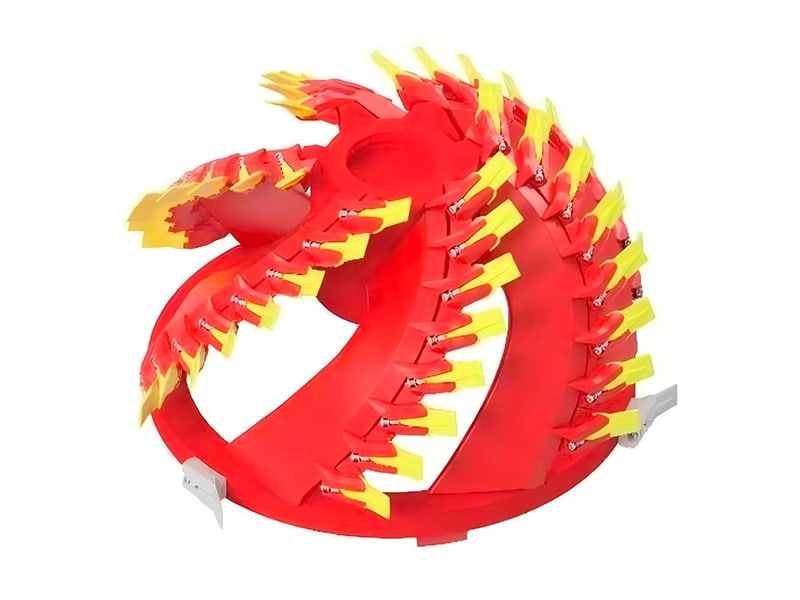
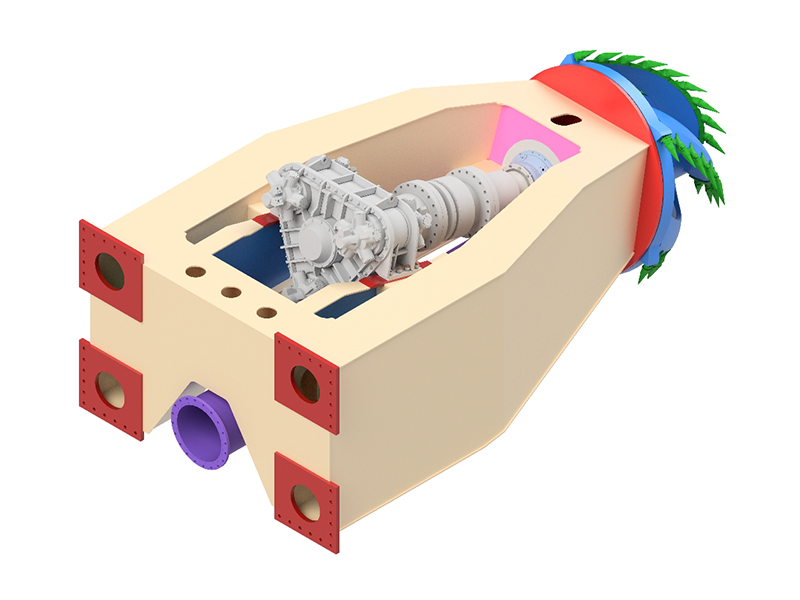
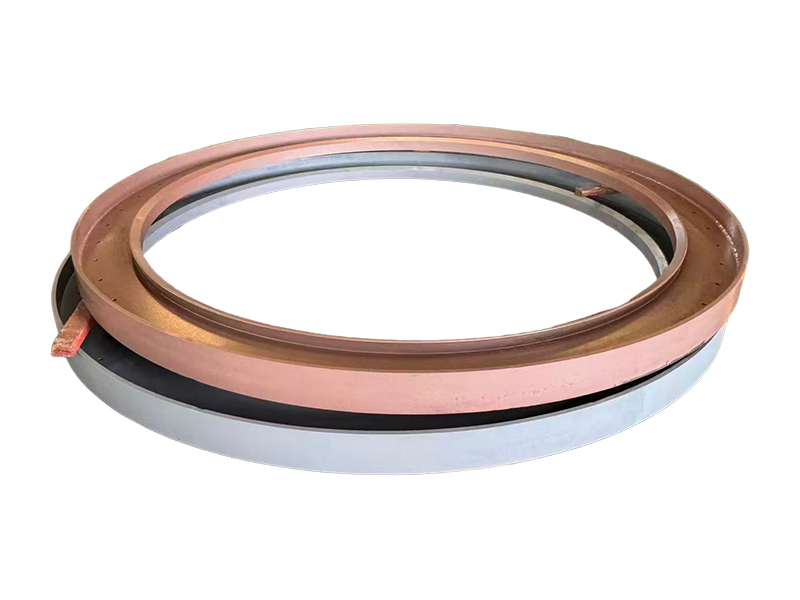
Beyond the cutting teeth themselves, the surrounding cutter head assembly determines how well those teeth are supported under load. Below is a selection of related dredge components manufactured for cutter suction dredger operations.
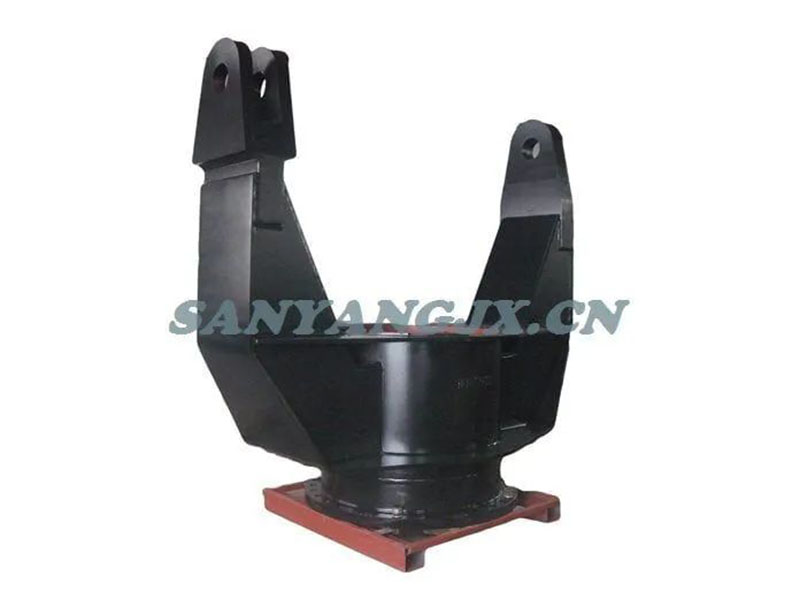
Matching Teeth to Cutter Head Power and Torque
Tooth selection cannot be separated from the cutter head drive itself. A high-torque cutter head cutter drive assembly can push heavy rock teeth through cemented layers, but the same drive fitted with slender chisel teeth in soft mud would simply spin without meaningful resistance, wasting fuel and accelerating auger bearing wear. As a working guideline:
- Drive units rated below 150 kW generally pair best with chisel or light pick teeth on soft to medium soil.
- Drive units between 150 and 400 kW can handle reinforced pick teeth on dense gravel and stiff clay.
- Drive units above 400 kW are typically matched with heavy rock teeth for weathered rock and cemented ground.
Undersized teeth on an oversized drive lead to premature tip fracture from shock loading. Oversized, heavy teeth on an undersized drive reduce swing speed and production rate, sometimes by 30 percent or more compared with a correctly matched setup.
Wear Life, Inspection, and Replacement Planning
Most operators inspect cutting teeth every 100 to 150 operating hours in abrasive sand conditions, and every 250 to 300 hours in soft mud. A tooth is generally due for replacement once wear has reduced its original length by about 30 percent, since cutting efficiency drops sharply beyond that point and the mounting adapter is exposed to direct abrasion.
| Inspection Trigger | Recommended Action |
| Tooth tip rounded, no longer sharp edge | Rotate or replace before next shift |
| Length reduced by 30 percent or more | Replace immediately |
| Visible cracking near the tooth base | Remove from service, inspect adapter |
| Adapter or holder showing exposed metal | Replace adapter along with tooth |
Keeping a mixed inventory of chisel, pick, and rock teeth on board allows a crew to adapt within the same shift as the cutter head crosses a soil boundary, rather than pausing production to source the correct part from shore.
Installation and Maintenance Practices
Correct installation is as important as tooth selection. Loose adapters allow lateral movement under load, which accelerates fatigue cracking at the tooth base even when the tooth material itself is well suited to the soil. Standard practice includes torquing retaining pins to manufacturer specification, checking adapter alignment after every rock encounter, and cleaning mounting sockets before fitting a new tooth to prevent trapped sediment from causing uneven seating.
Rotating tooth position periodically, rather than always replacing in the same sequence, also helps even out wear across the cutter head arm, which extends the service interval of the arm piece itself and keeps cutting force distributed symmetrically during operation.
Working With a Dredge Spare Parts Supplier
Because soil conditions vary by project and even by season on the same waterway, many dredging operators work with a dredger equipment supplier that can provide multiple tooth profiles and matching adapters rather than a single fixed design. A reliable dredge spare parts manufacturer will typically offer casting or forging certificates, hardness test reports, and dimensional drawings for each tooth type, which allows the buyer to confirm compatibility with the cutter head before ordering. For fleets running trailing suction hopper dredger units alongside cutter suction dredgers, keeping a shared parts standard across drag head and cutter head teeth also simplifies inventory management and reduces downtime waiting for the correct part.

Copyright 2025 Taizhou Sanyang Heavy Machinery Co., Ltd. All Rights Reserved Professional Dredging Equipment Manufacturer

Back To Top