
 English
 中文简体
中文简体
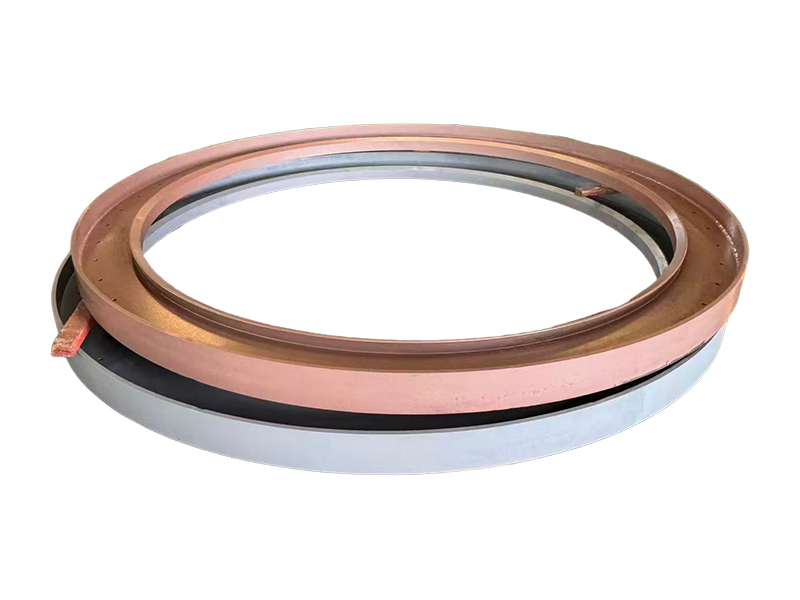
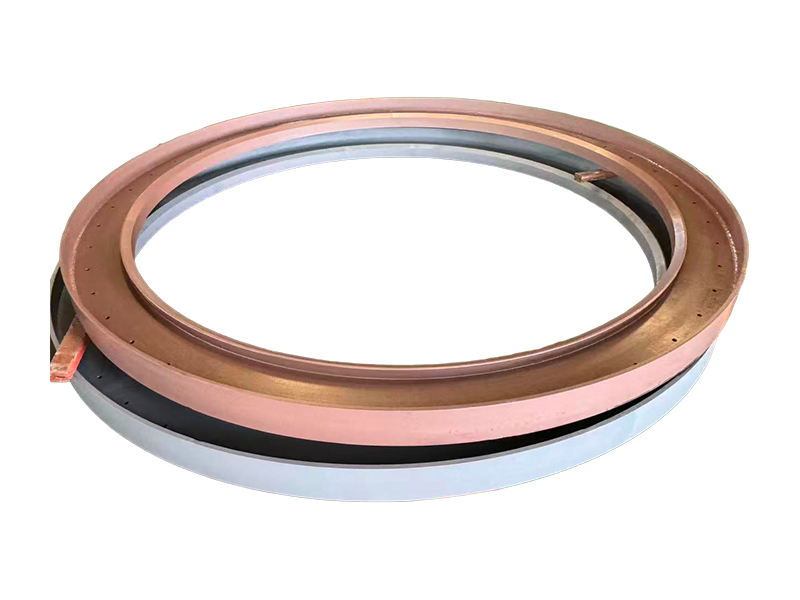
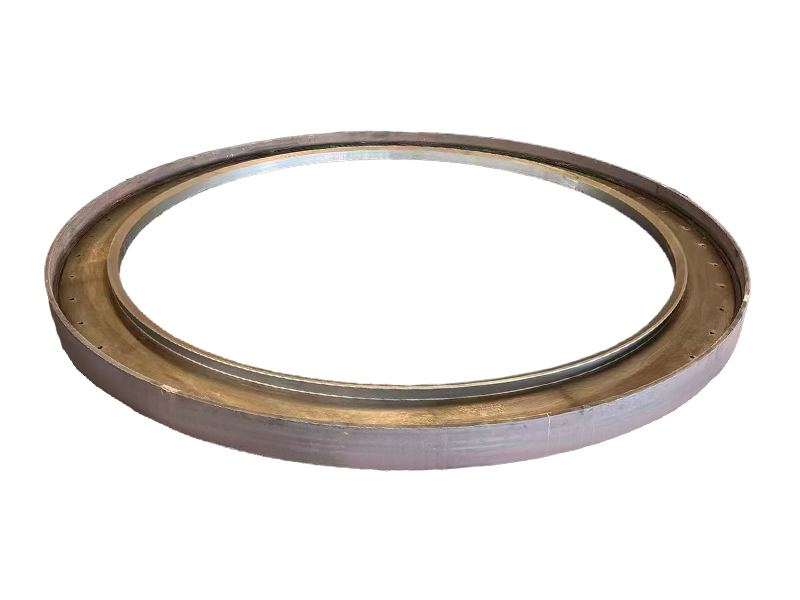
High-Manganese Steel Wear Ring
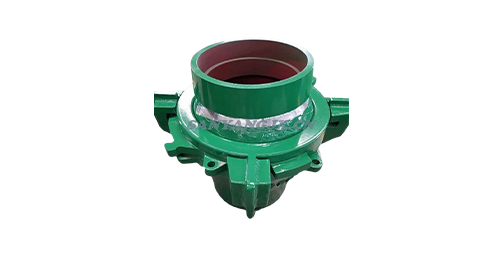
This product is a wear-resistant protective component made of high-manganese steel wear ring, featuring a "hard surface, tough core" structural design. The austenitic steel matrix possesses work-hardening properties, allowing the surface to harden rapidly under heavy impact and compressive stress. Combined with precision casting and CNC machining processes, this product effectively addresses challenges such as material fatigue and brittle fracture in high-wear operating conditions, making it suitable for various heavy-load, high-corrosion, and specialized non-magnetic applications.
as a whole process of our business.
-
 Product Range:
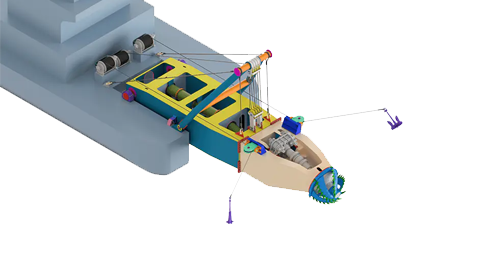
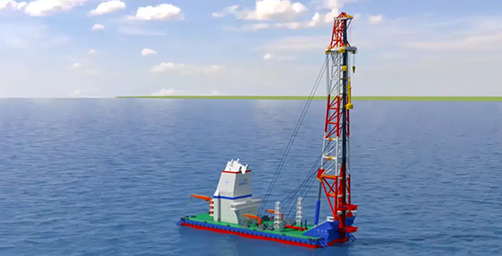
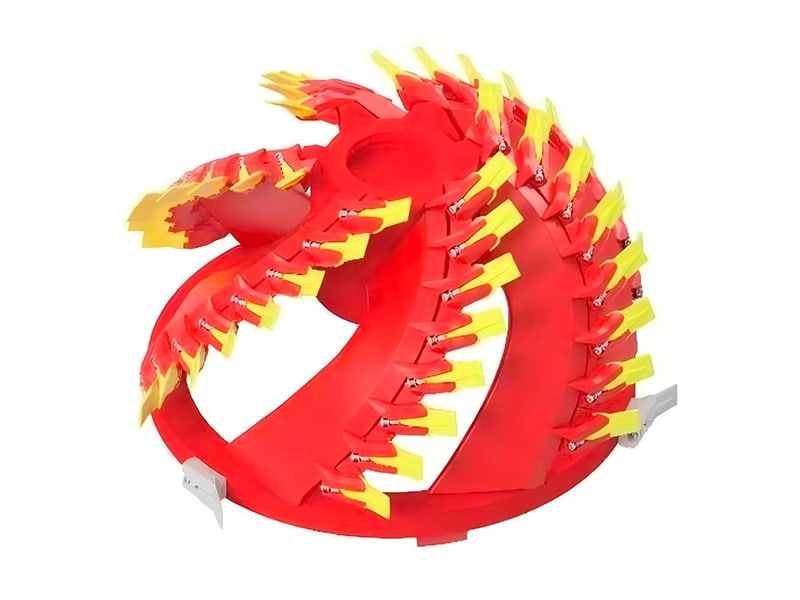
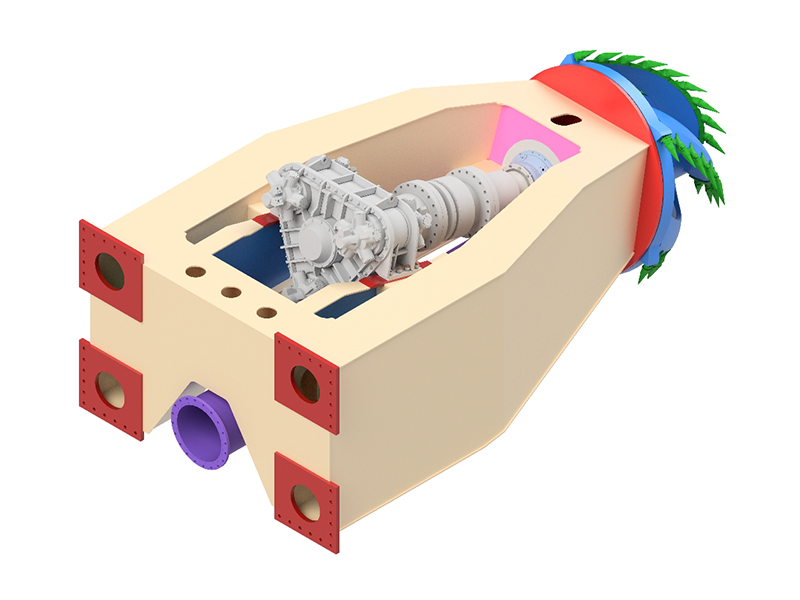
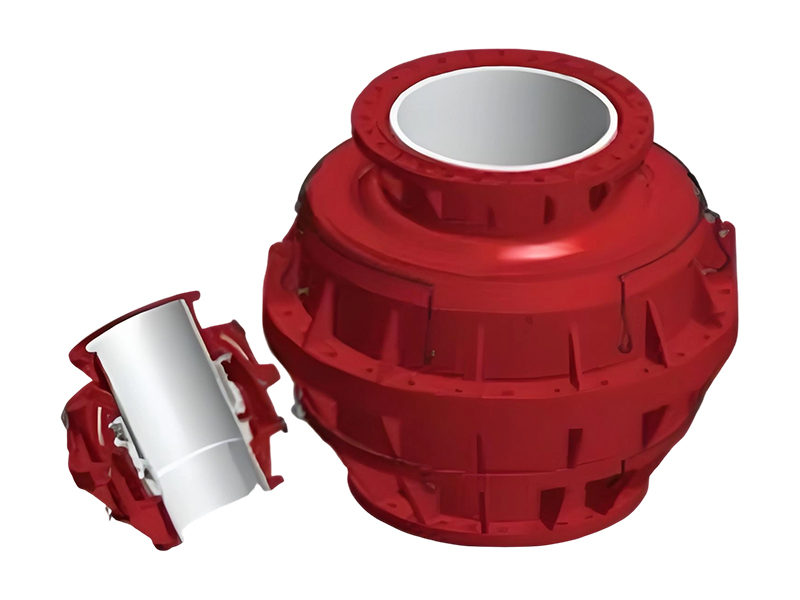
Dredging components and other customized products.
-
 Customer Range:
Shipyards, Shipowners, Ship Managers, Engineering Companies, Constructors, Trading Companies, Wholesalers,etc.
-
 Design Ability:
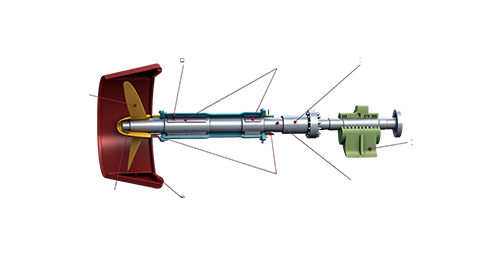
We have a very experienced, creative, and cooperative team, which can design the whole propulsion system according to different vessels and requirements.
-
 Material Preparation:
Our purchasing dept. will choose the material from many aspects, such as cost, quality, machining, environment protection, etc.
-
 Machining & Test:
We have advanced processing equipment with responsible crews. Our factory also have strict quality control process and test skills.
-
 After-sale Service:
You will get the after-sale service all over the world. Convenient, Fast, High Efficiency, World-wide, etc. Best service will be enjoyed by cooperating with us.
For different shipping methods and destinations, we will suggest different packaging. If you have any requirement for the packaging, please let me know during enquiry.
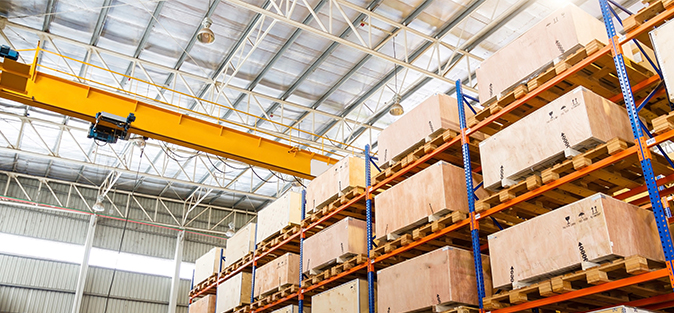 Wooden Case
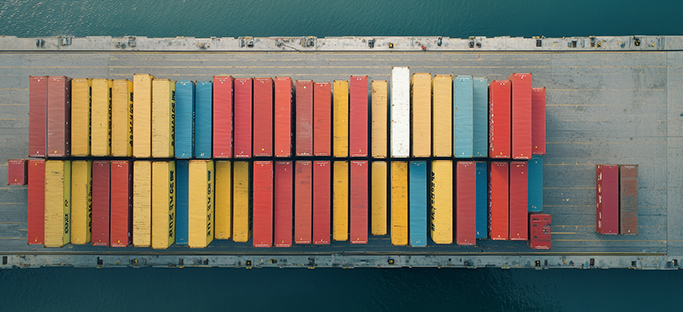 Iron Frame
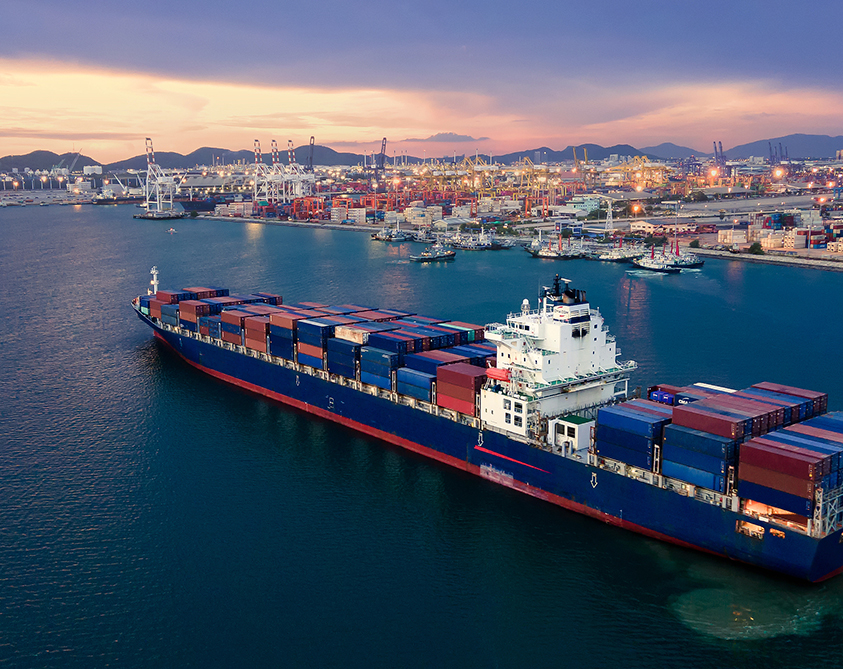
We offer our clients one-stop service.The shipping tool can be by sea, by air or by train.
It depends on the destination of our products.
And we will suggest you the min. cost and min. damage of the products.

Copyright 2025 Taizhou Sanyang Heavy Machinery Co., Ltd. All Rights Reserved High-Manganese Steel Wear Ring Manufacturers High-Manganese Steel Wear Ring Factory

Back To Top